
The Industry
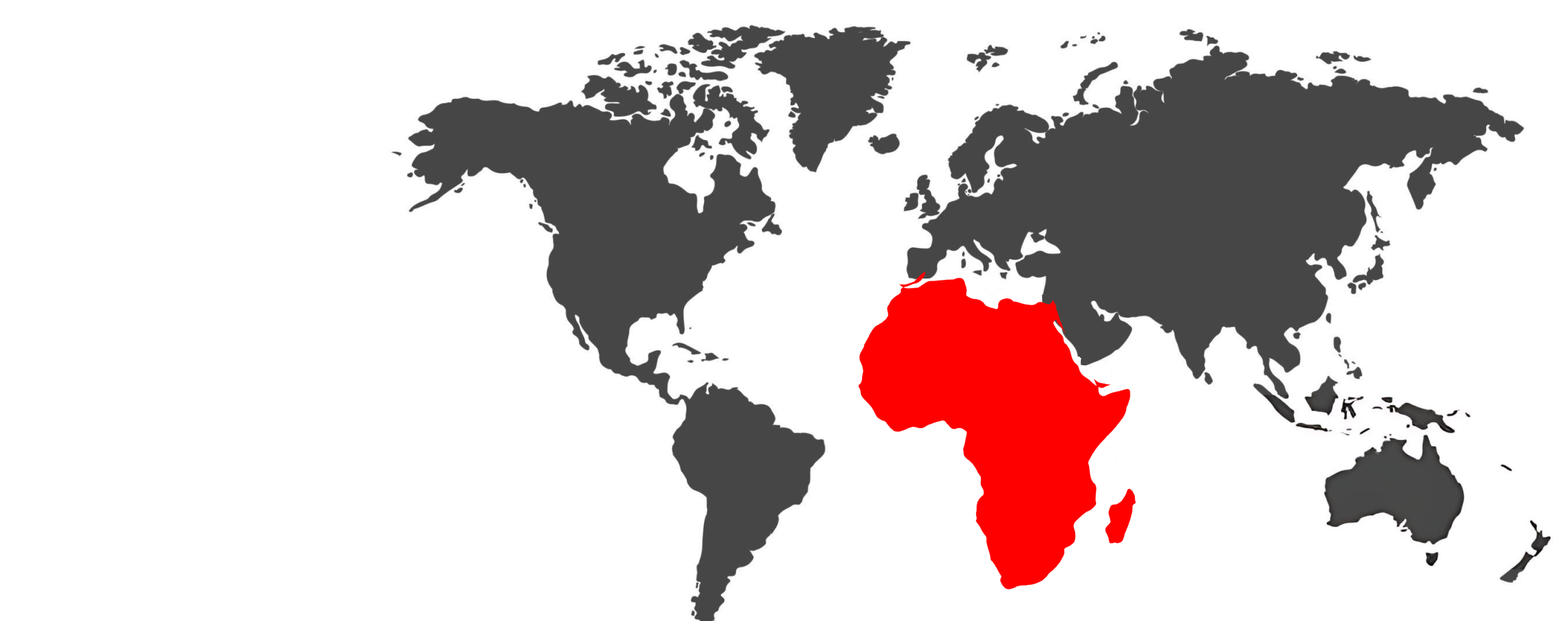
33% of the world's most suitable oil palm land is in Africa. We produce 4.2% of the world's supply.
Here's the part that number hides: plantations are expanding across this continent right now. More land is going into palm every year. Processing capacity isn't expanding with it.
The rot
Fruit is being harvested with nowhere built to receive it.
Palm fruit that isn't processed within hours of harvest doesn't wait for capacity to catch up. It just spoils. That's not a future risk. That's happening on the ground today, on plantations already producing.
The extraction gap
What doesn't spoil often isn't processed properly either.
Without real refining capacity nearby, fruit ends up in small hand presses and informal local mills never built for industrial output — equipment that recovers a fraction of what the fruit is actually worth. The oil gets extracted. The value doesn't.
The double cost
Every hectare planted without capacity is a bet that costs twice.
Planting without real processing infrastructure costs you two ways: what rots in the field, and what gets processed for far less than it's worth. Capacity built now protects a harvest that's already growing.
Infrastructure response
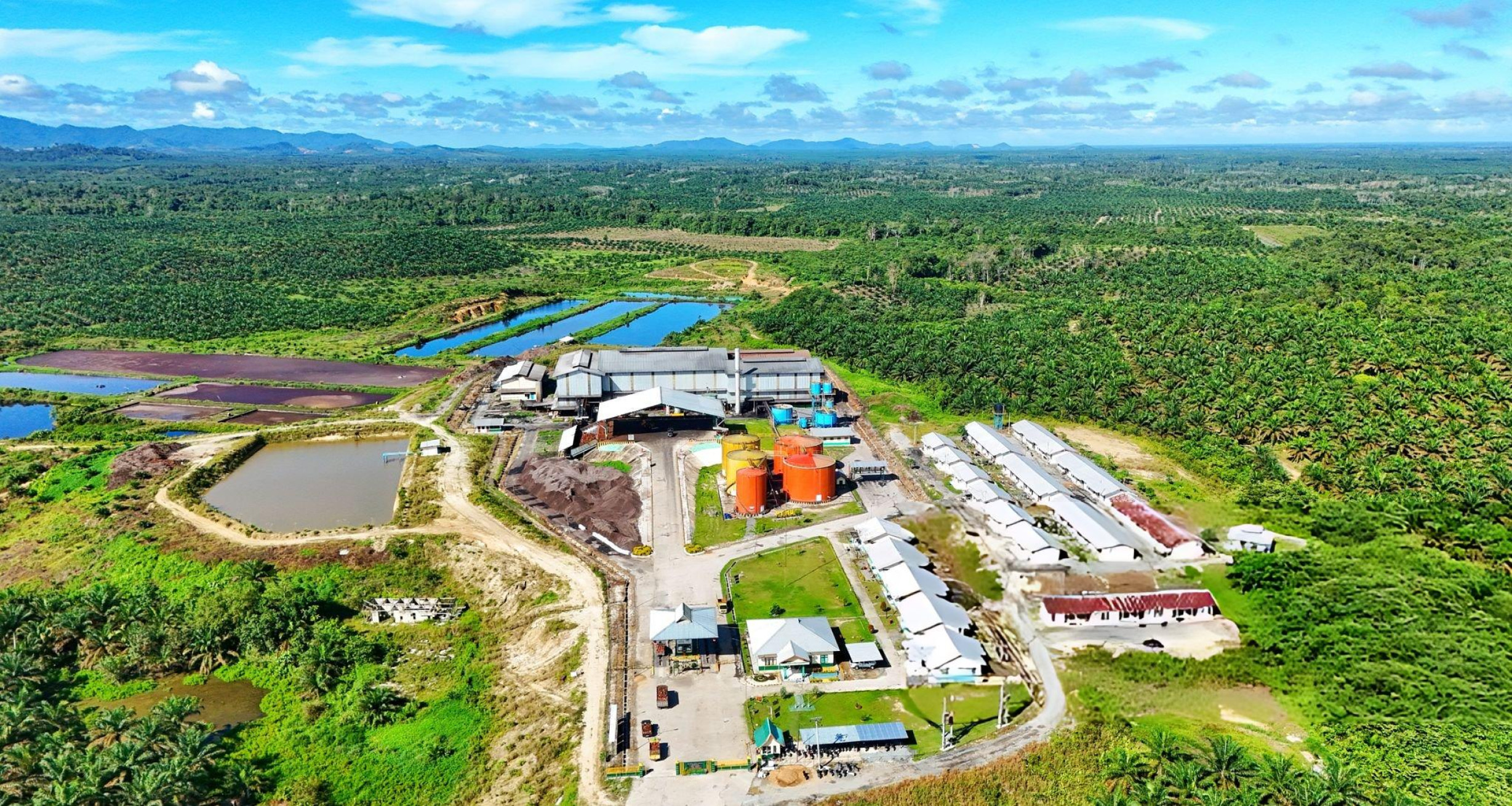
Mills. Refineries. Processing infrastructure sized to match planting.
This is the arm of Telala built to close that gap. Processing infrastructure sized to match planting as it happens — not years behind it, and not handed off to equipment that was never built for this scale. The fruit already exists. The demand already exists. What's missing is capacity built to actually capture what's there.
Land & plantation
It starts with ground that's been assessed and planted with discipline.
Operations & people
Then it's run — daily, verifiably, by people who are trained and supported to do it well.
Processing & logistics
What's harvested has to move and become something sellable, without losing value in transit.
Industry & market
And it has to connect to a market that rewards the discipline behind it.
Build the industry with us.
Capacity built now protects a harvest that's already growing and the margin currently being lost to equipment that was never built to maximize the output of this industry.